World War I, or as it was know among European nations – The Great War (in France, – La Grande Guerre) began on July 28, 1914, when German military forces invaded France, and ended over four years later by an armistice “on the eleventh hour of the eleventh day of the eleventh month 1918.” At the time it was the bloodiest war in human history. The human toll of the war staggers the mind – 9.7 million military personnel from all belligerent countries killed in action, over 21 million wounded, 21 million civilian casualties. It was a ghastly conflict in which advances in weaponry – principally machine guns and heavy artillery – far overran dated military tactics. Charging enemy lines may have been accepted military doctrine in the US Civil War, or any number of European wars. But when infantrymen charge machine guns firing at the rate of 500-1000 rounds per minute, the human carnage is appalling. Advances in long range heavy artillery made the front lines on both sides a living hell around the clock. In one twenty four hour period in 1916 at the commencement of the Battle of Verdun the Germans fired over 1,000,000 artillery rounds into the French front lines.
Even though casualties were heavy, US troops were only involved in actual combat for about eight months. At President Wilson’s request, the US Congress passed a declaration of war in April 1917, declaring that a state of war existed between the United States and Germany, including the Axis Powers. Thereupon General John J. Pershing was appointed Supreme Commander of what became the Allied Expeditionary Force (AEF). Mobilization of US military forces then began, which included recruitment on college campuses around the country.
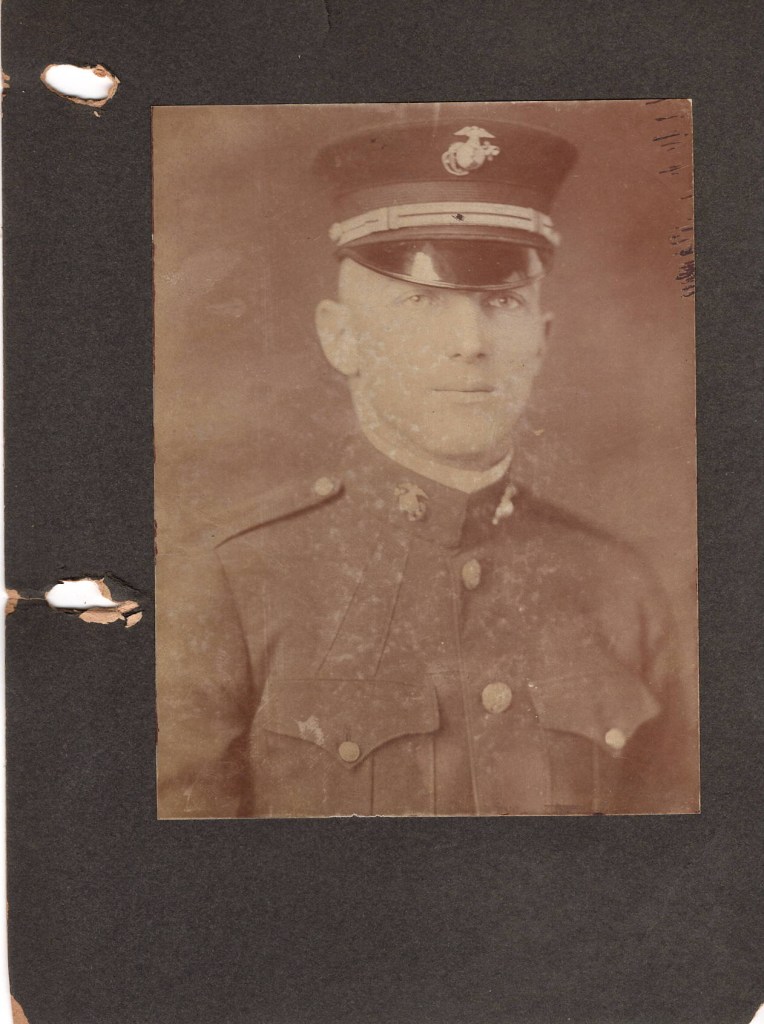
Caught up in the patriotic fever that swept the country, my father, (John A. West but known as Jack) then a freshman at the University of Michigan, volunteered to join the Marine Corps. Carleton Wallace, later my father’s best friend and a freshman at the University of Minnesota, also joined the Marines. Later to become another best friend, Clifton Cates, a freshman at the University of Tennessee, who finished his career as Commandant of the Marine Corps, did the same. All three met and did basic training and officer training school at the Marine Corps base at Quantico, Virginia.
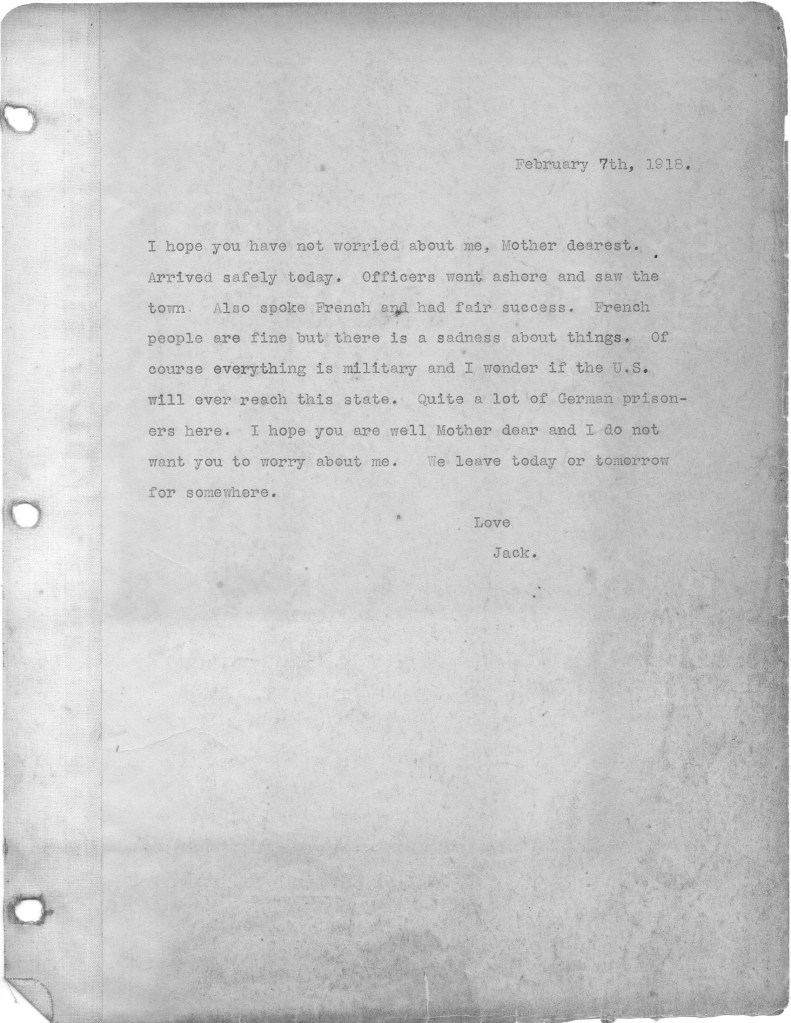
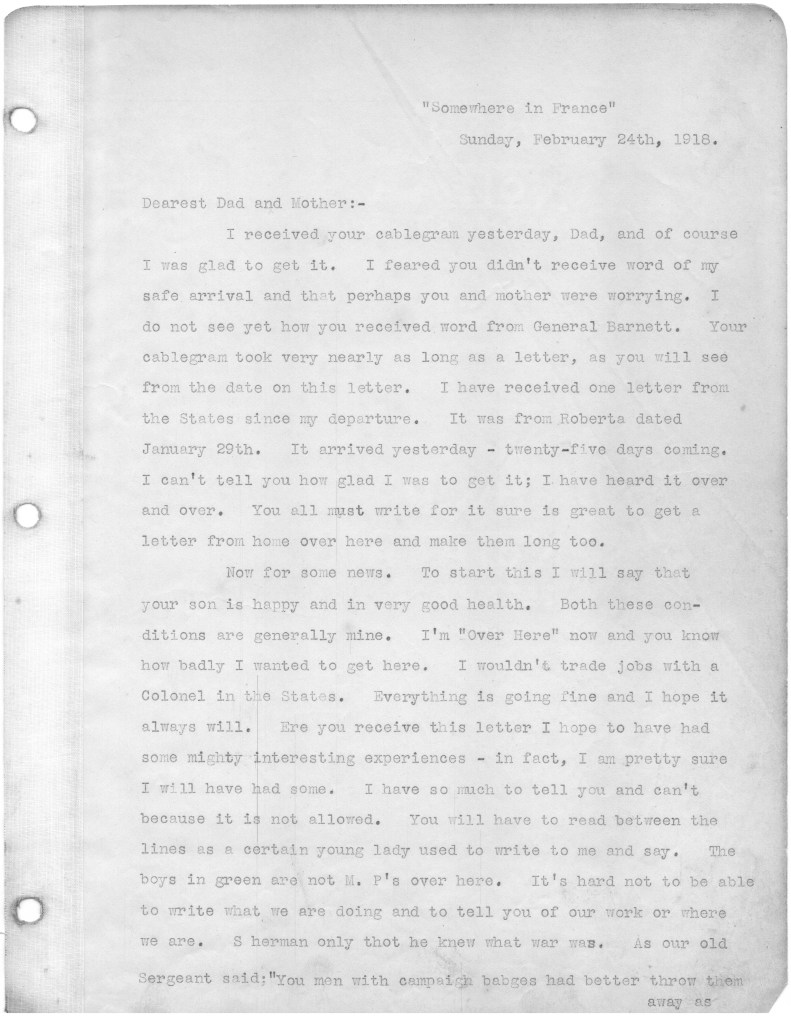
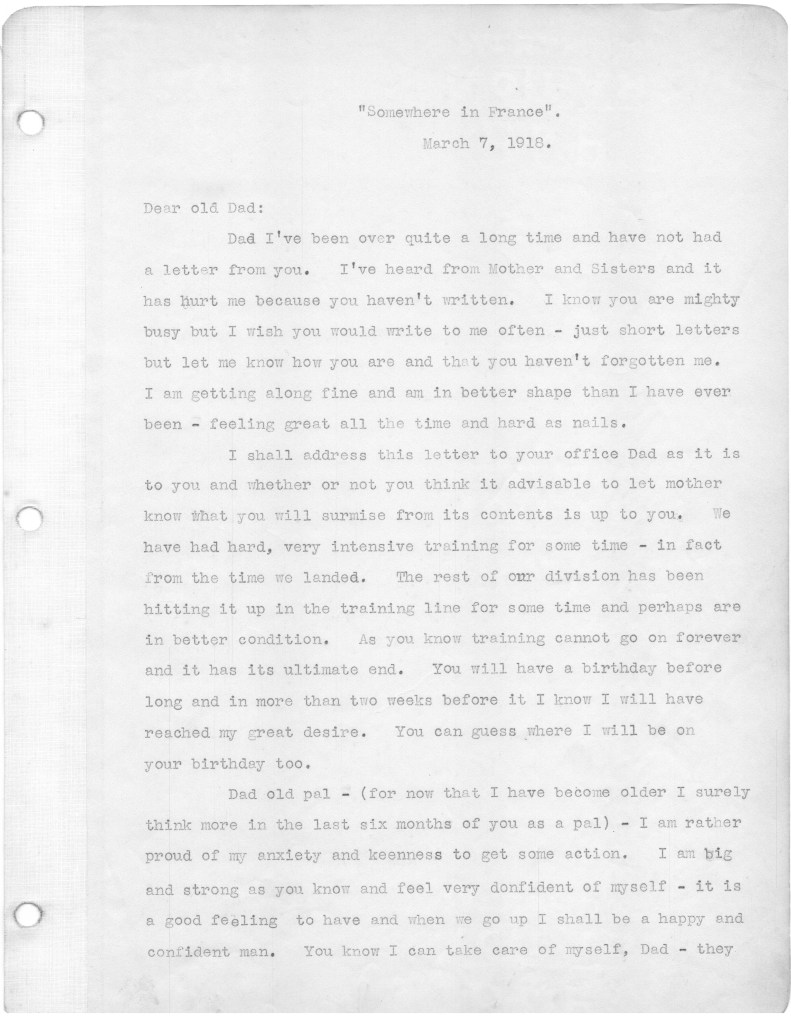
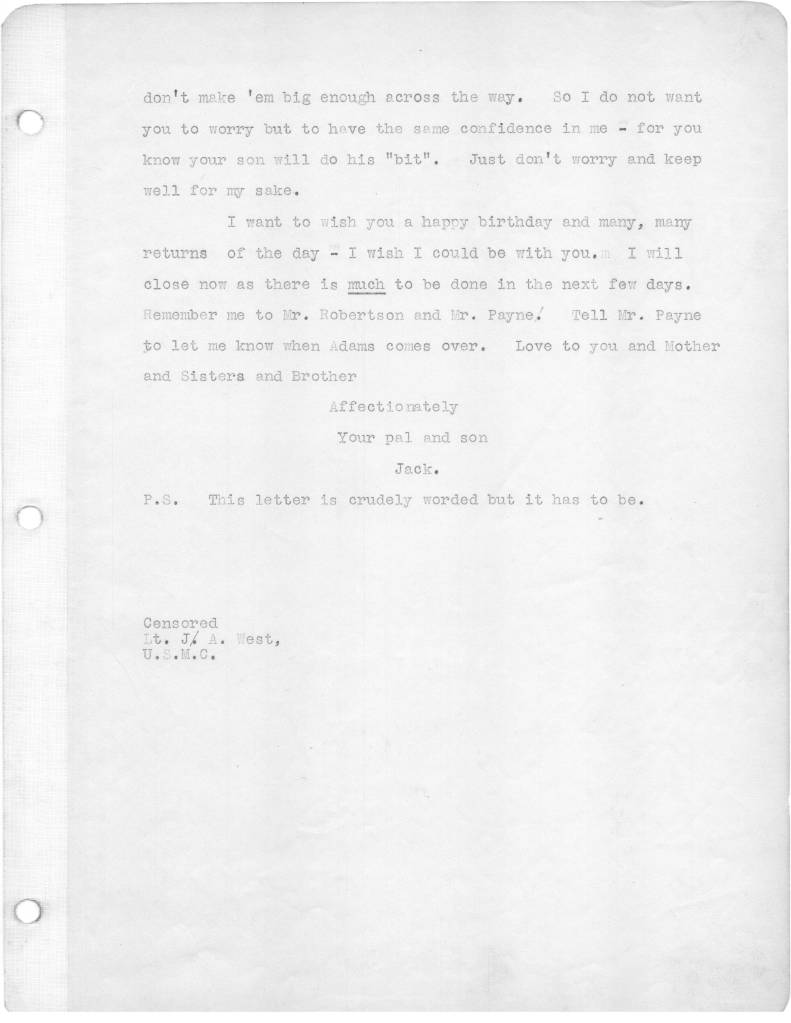
My father, a newly commissioned second lieutenant, sailed for France in early 1918 aboard the troopship USS Henderson, arriving February 2. He was assigned to the Second Division of the AEF, the Indian Head Division, in the 79th Company of the 6th Marine Regiment. I have the letters he wrote home over an eight month period, which were typed and assembled in a notebook by his parents. The publication of these letters on this web site comes with the hope that they will come to the attention of historians, particularly those interested in Marine Corps history.
Some of the early letters are not of much interest as they pertain to family. But the later letters throw some light on my father’s combat experience, particularly during the Battle of Belleau Wood, one of the most famous battles in Marine Corps history. The letters begin February 7, 1918, shortly after arriving in France, and end November 11, 1918, the date of the armistice. Also to be published after the letters is a memoir of Belleau Wood that my father wrote in 1930 when he was visited the battle site and recalled the grim and grisly events of the battle.
The object here is not to glorify war, which, despite enduring, heartfelt prayers for peace, remains a permanent, horrific feature of the human condition. As Plato reputedly said – only the dead have known the last of war. The intention is simply to share with interested parties a bit of history, in the form of letters, of a bloody conflict that is now part of our distant past.
With that short introduction the first letters follow. Reading these letters I am struck by my father’s excitement and enthusiasm at being on the cusp of what had been a relentlessly bloody and deadly war, which by then had seen combat deaths in the millions. He seemed to believe he would not end up on a causality list, and that it would all just be a grand adventure. More I cannot say as he died when I was eleven years old, and I did not get to ask these questions.
Second Lieutenant John A. West
February 7, 1918 letter
February 24, 1918
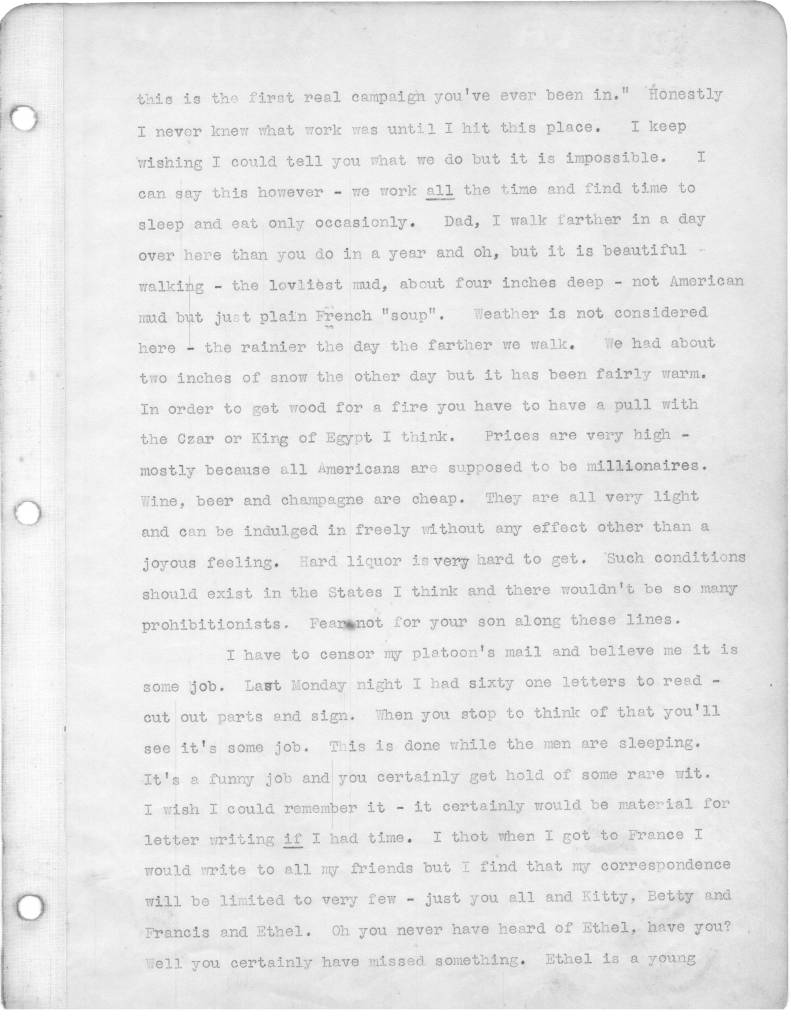
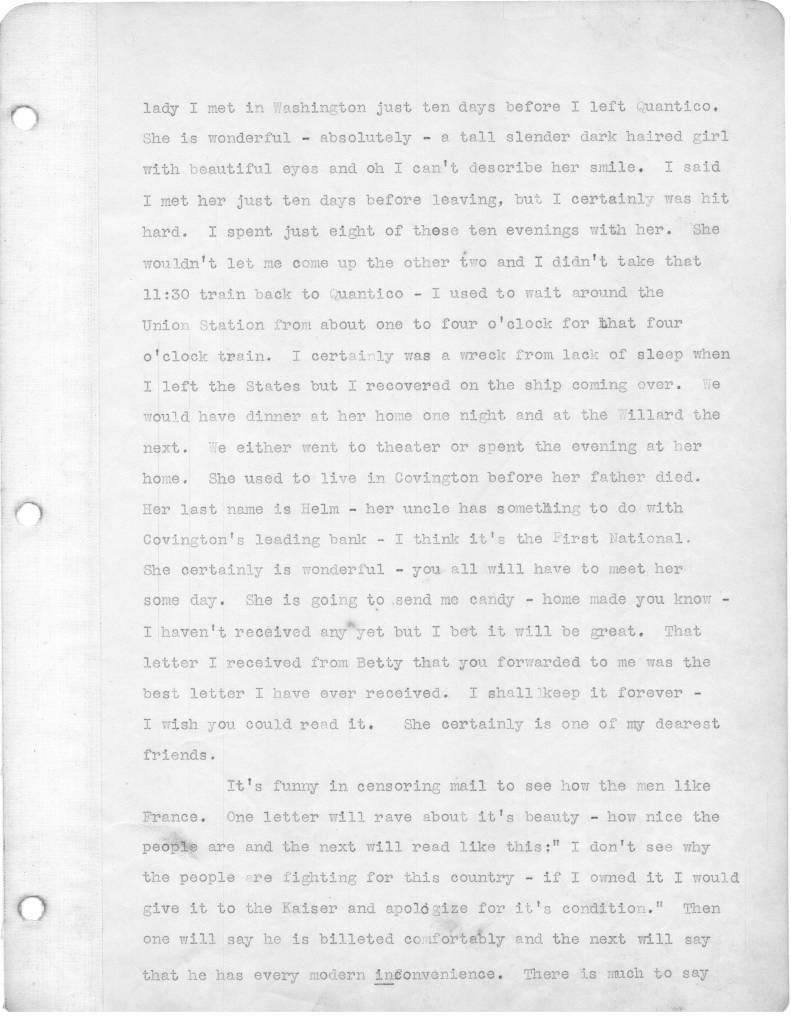
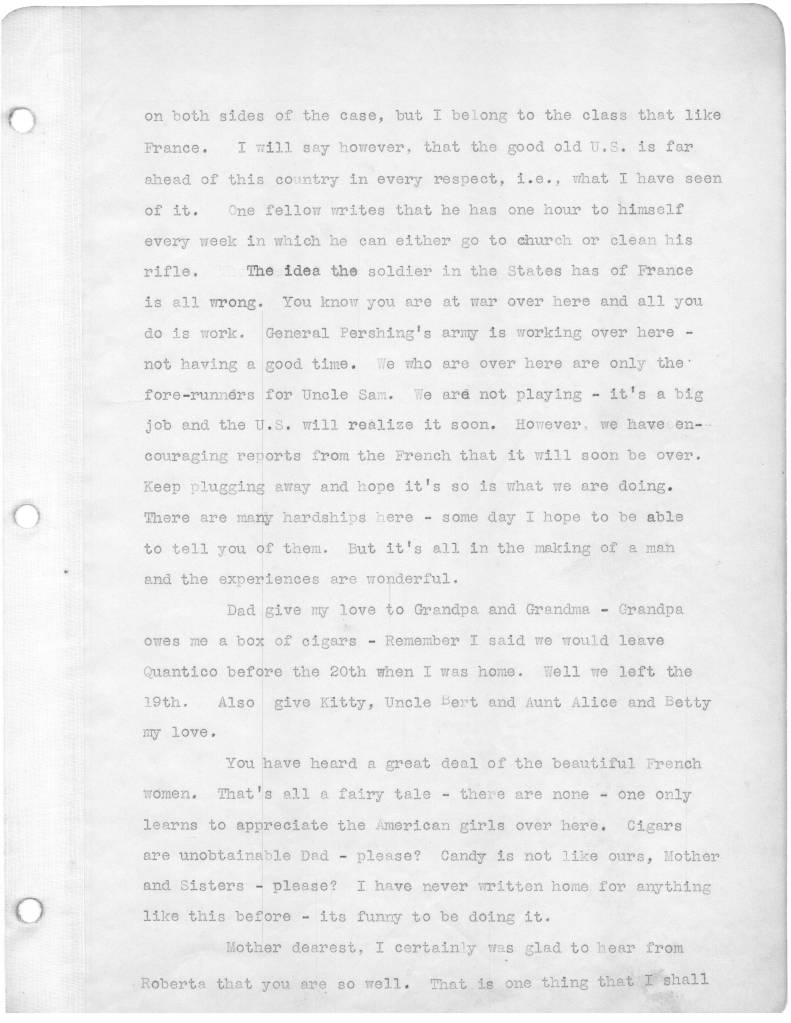
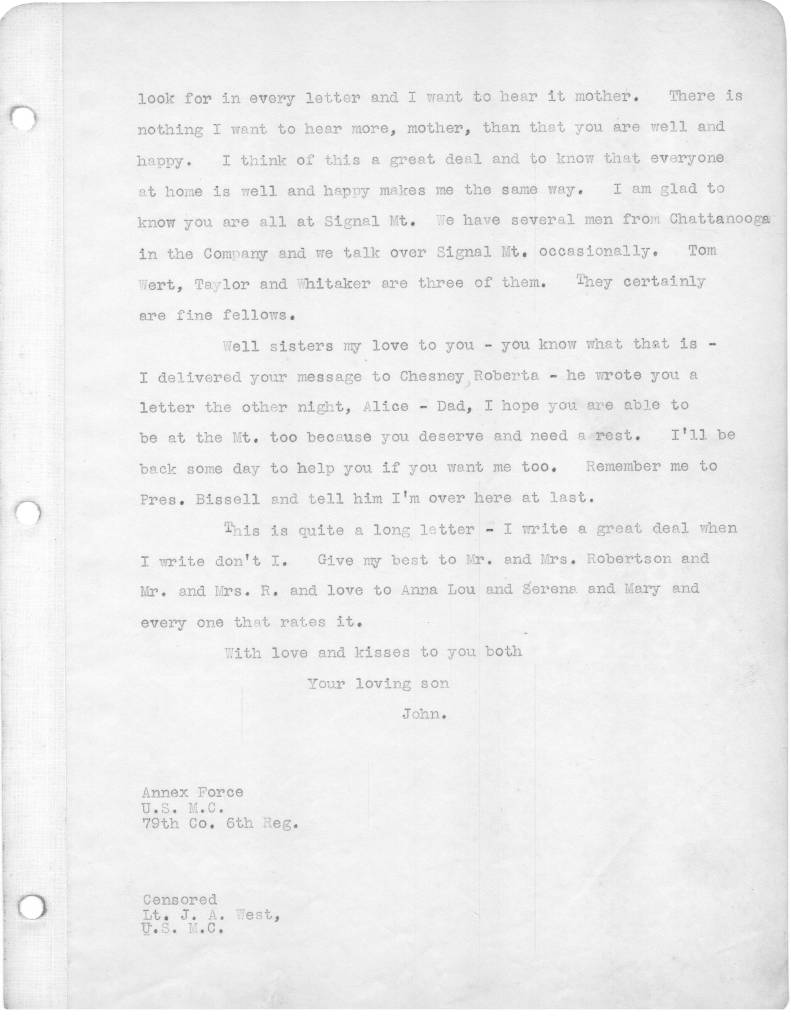
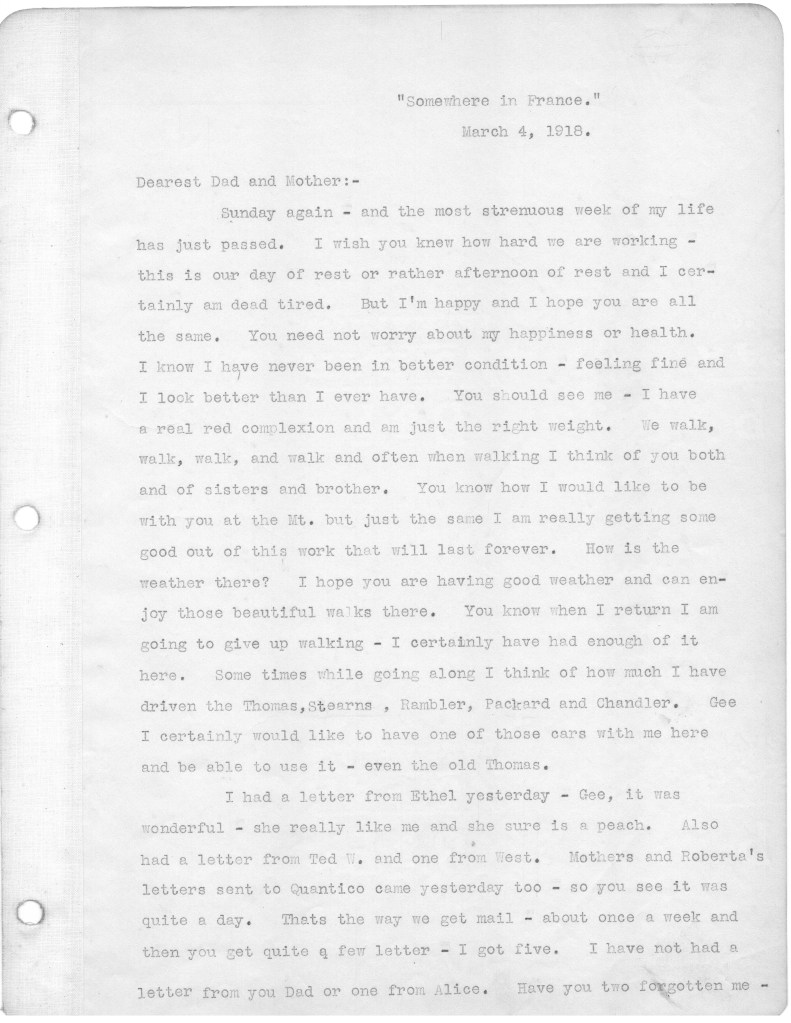
March 4, 1918 letter

March 7, 1918 letter
 Westwind
John. Thanks for forwarding but the only letters I can access ends with March 7 letter. Frank
Sent from my iPad
<
div dir=”ltr”>
<
blockquote type=”cite”>
LikeLike
Well, I was a long time getting to this but I’m glad I did. Wh
LikeLike
Your comment was cut off.
LikeLike